
Loggerheads Country Park is a very special place, rich in wildlife and heritage. It’s an ideal gateway for visitors wishing to explore the Clwydian Range and Dee Valley.
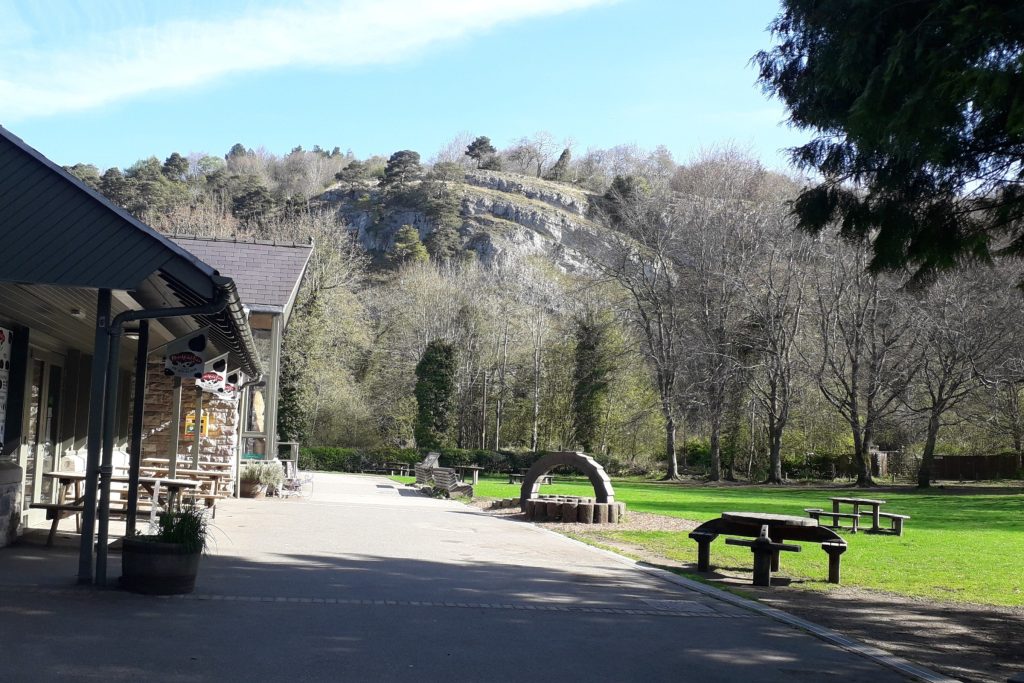
Loggerheads sits below the dramatic limestone cliffs of the Alyn Valley where the river enters steep wooded gorges, and open and secluded grasslands. Limestone influences all parts of the park and the nearby hamlet of Cadole. It has not only shaped the appearance of the landscape but also influences the plants that grow here, both the flower-strewn grasslands on the hilltop and the damp riverside woodlands.
Loggerheads Country Park is an internationally important site for conservation, designated as both a Special Area of Conservation (SAC) and Site of Special Scientific Interest (SSSI).
It is the mixed ash woodland, wet woodland and limestone grassland that make it so special. But there are also many uncommon plants and animals and the river itself is an important habitat.
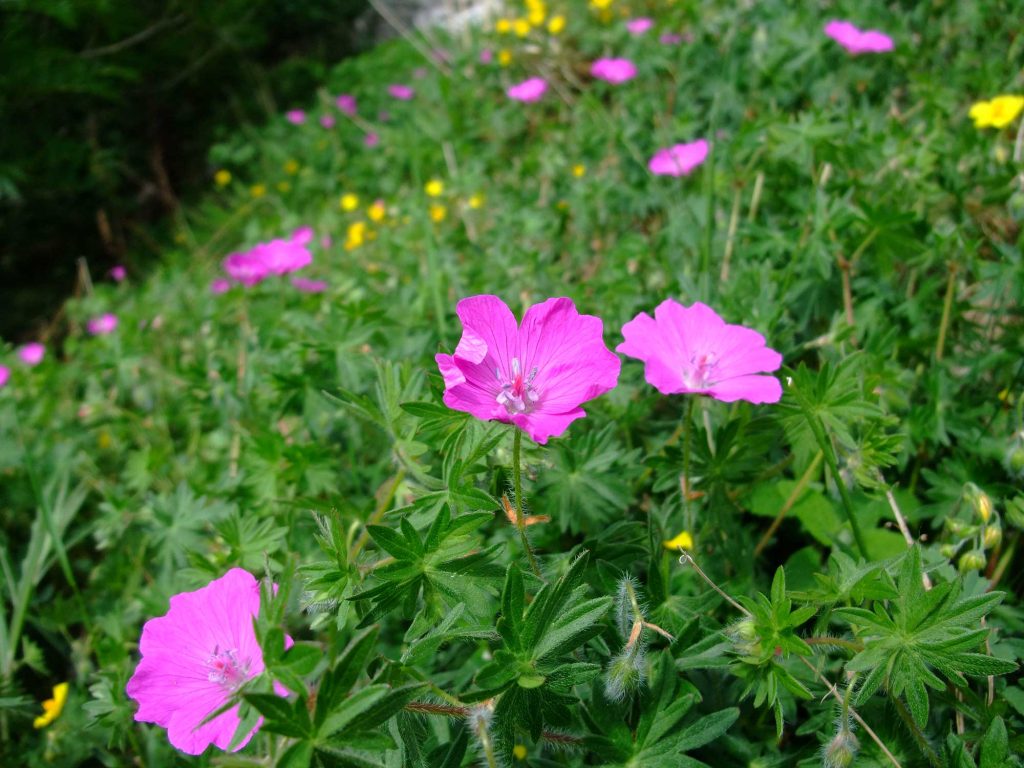
The soils on the cliffs are thin, nutrient-poor and alkaline due to the underlying limestone. Delicate plants specialised to these conditions thrive, including rockrose, bloody cranesbill, salad burnet, wild thyme, wild strawberry and St John’s wort, creating a riot of colour in early summer.
These plants are essential to many butterflies and moths. The grasslands provide a home for many common butterflies such as orange tips and painted ladies but of particular importance is the grizzled skipper – a rare butterfly whose caterpillars feed only on a handful of plants in the strawberry family.
Look out for the flock of Hebridean sheep grazing in the woodland glade behind the cliffs. This hardy breed eats the tough, prickly scrub and stops it encroaching onto the grassland.
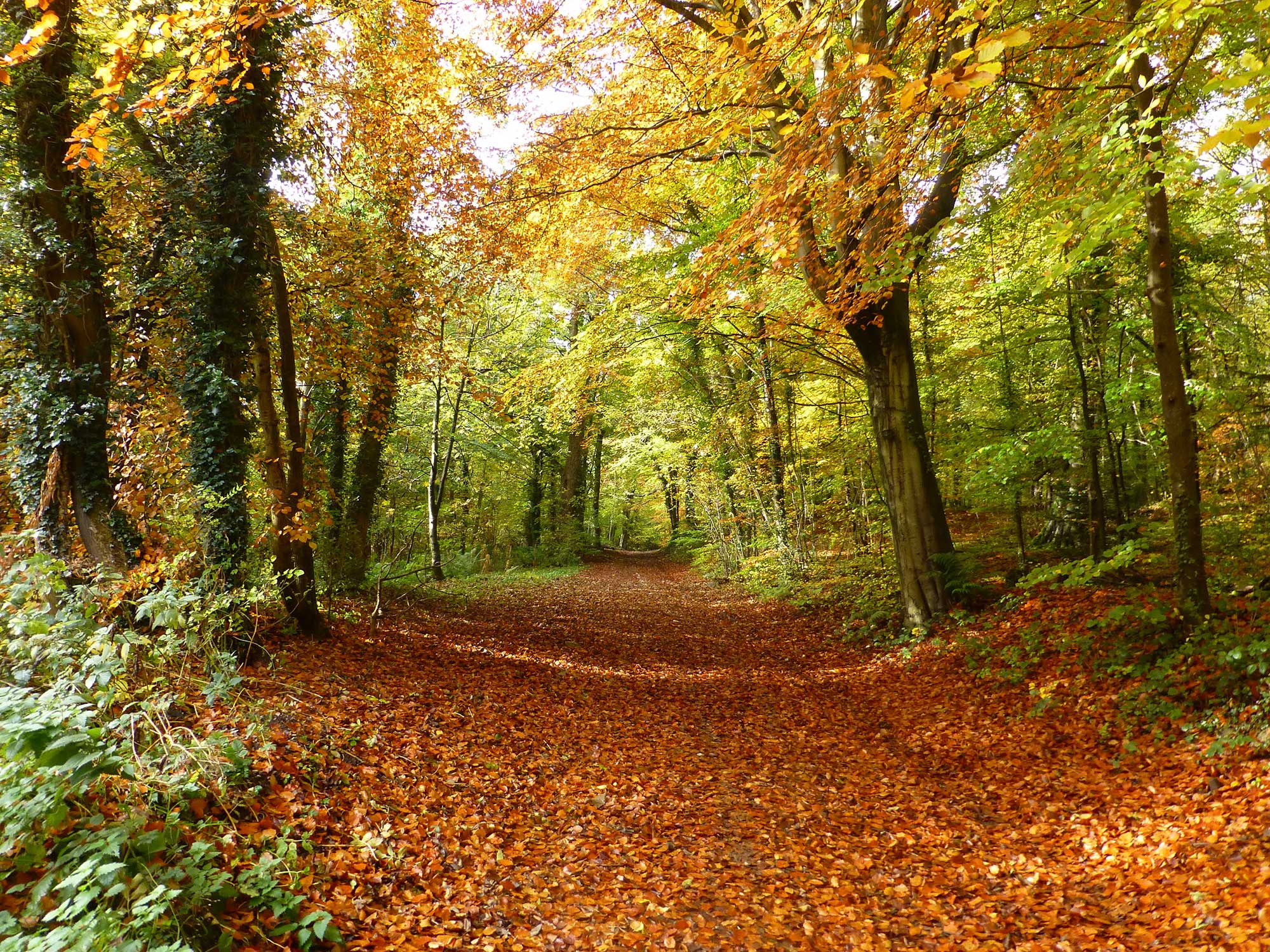
The ash woodlands, known as Alyn Valley Woods, stretch along the valley from Loggerheads to Rhydymwyn three miles to the north. Ash is the dominant tree but there are many others including wych elm, hazel and oak. In spring the woodland is carpeted by pungent wild garlic, bluebells, white wood anemones and yellow lesser celandines.
Spring is also the best time to come bird watching and those with a keen ear may hear redstarts, spotted and pied flycatchers. Wood warblers are occasionally present but willow warblers, chiffchaff and blackcap are more common.
The River Alyn provides a home for many interesting species such as bullhead fish and otters, which have returned to the river in recent years. The plentiful insects also attract many birds.
A walk along the river in full flow will often be rewarded by the sight of a dipper, a small brown bird with a white bib that bobs up and down on a rock or flies rapidly along the river. Grey wagtails, delicate birds with yellow bellies and constantly wagging long tails, are also common. When the river disappears underground , you can occasionally glimpse a kingfisher hunting for the exposed fish.
Reptiles including adders, slow worms and lizards favour the secluded limestone pavements and quieter grasslands, away from the busier visitor areas.
Limestone drew industry to the area. The rich mineral veins in the rock were extensively mined for lead during the 18th and 19th centuries, and Cadole was built to house the miners.
You can find out more about the history on the Loggerheads industrial heritage page.
However, the lovely limestone scenery has also inspired artists – such as the father of British landscape painting Richard Wilson – and attracted visitors for generations.

Discover more
Loggerheads Country Park Leaflet