
Curlew Connections Wales is a wader conservation project supported by Welsh Government’s Nature Networks Fund, delivered by the Heritage Lottery Fund.
One million pounds has been allocated to support breeding curlew in Wales, focusing on three ‘Important Curlew Areas’.
- South Clwyd Mountains and Dee Valley
- Montgomeryshire and North Radnorshire
- Usk Catchment and Llangorse Lake; Bannau Brycheiniog National Park
Curlew Connections Wales aims to tackle the key issues driving the low breeding success of curlew in Wales, monitoring and understanding curlew populations within these three Important Curlew Areas, implementing nest protection, predator management and habitat works.
With breeding curlew predicted to be extinct in Wales by 2033, an important aspect of the project is to grow the connection between the people of this landscape to these iconic birds.

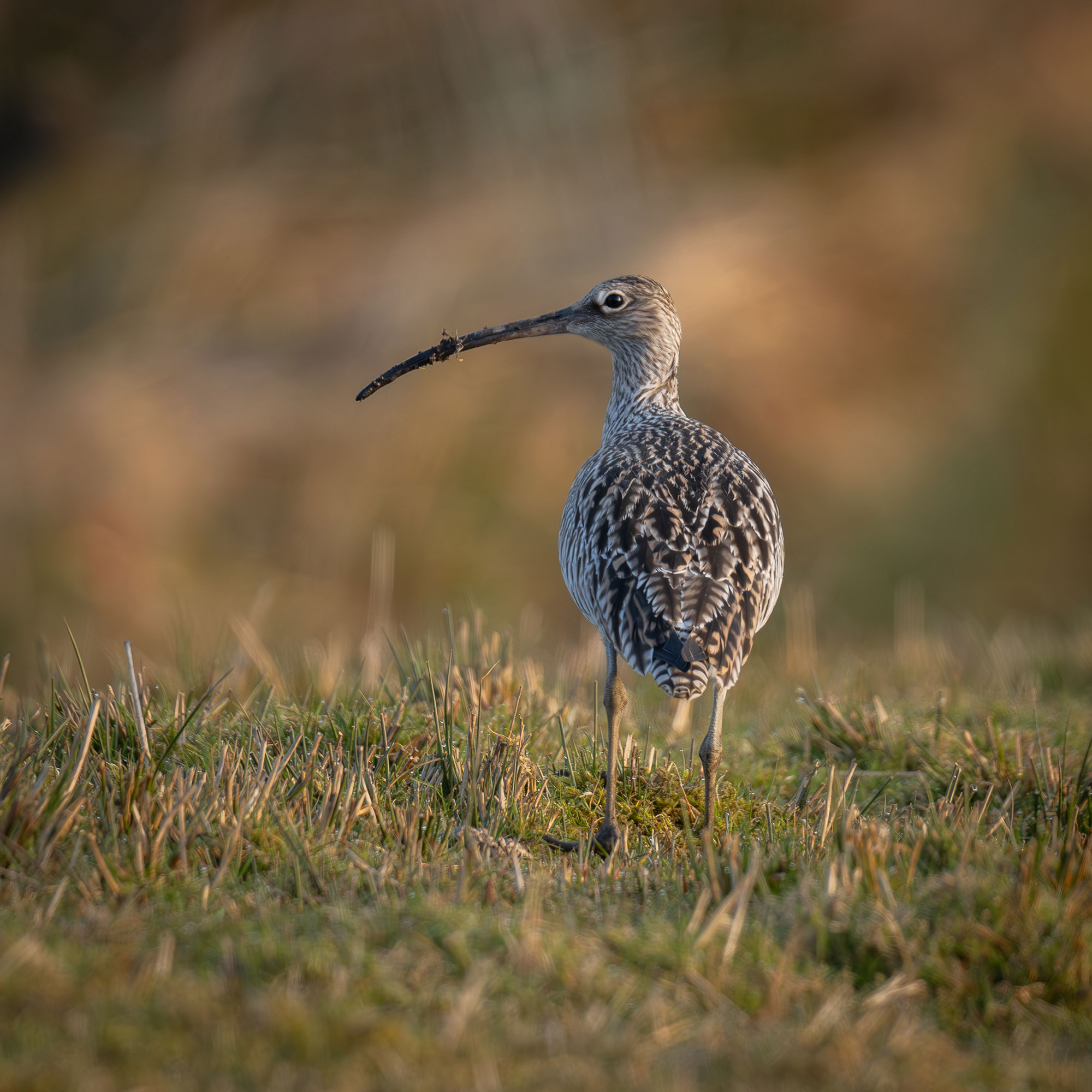
The Curlew
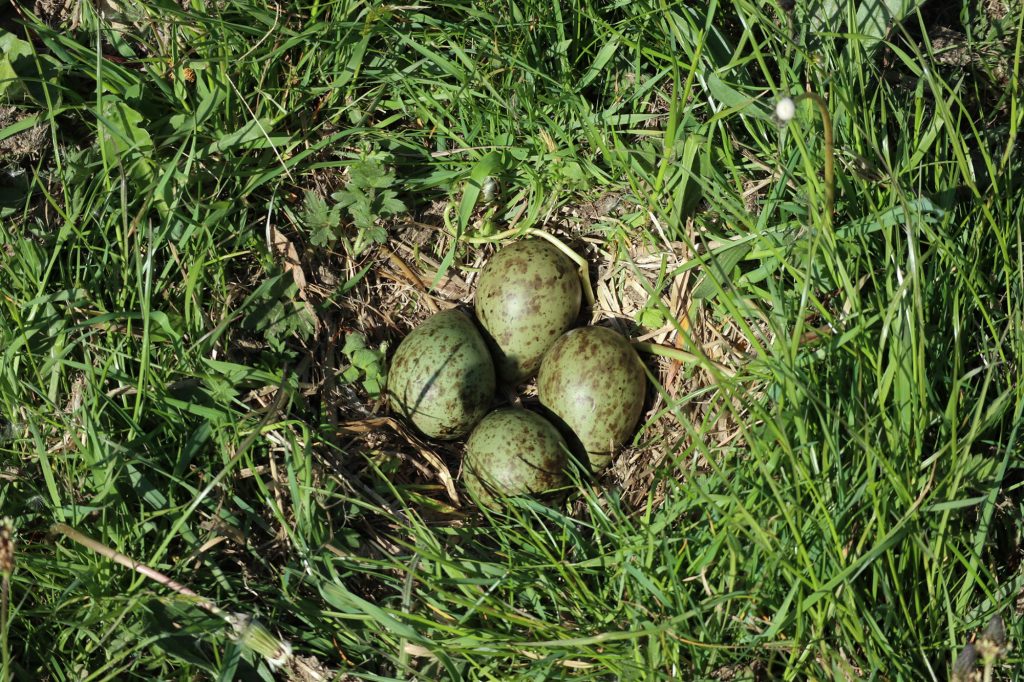
The curlew is Britain’s largest wader, known for its bubbling call and long beak. In winter they migrate to the coast, where they are joined by curlews from northern Europe. They return to their breeding territories in March lay their one clutch of eggs in April or May, with chicks fledging from mid-July. Curlew nest on the ground in open grassland and moorland. Good curlew habitat is usually damp grassland grazed with a low density of livestock, or hay meadows shut off to grow from April to July, with few trees or scrub for predators to hide in. Adult survival is still high – the problem is unsuccessful breeding. Despite laying up to four eggs every year, they are only managing to raise about one chick every five years. This is too low to keep the population viable. Increasing the number of chicks surviving to adulthood will secure the future of the curlew in Wales.
The Eurasian Curlew is declining globally, they are on the Red List as ‘Near Threatened’, with curlew in Wales predicted to be extinct by 2033 (no longer viable breeding species). They are the most pressing bird conservation priority in Wales. It is believed currently the population of curlew in Wales is declining at a rate of 6% per year.
There are many factors causing the decline of curlew. Below highlights some of the most significant factors:
- Predation of nests and chicks
- Habitat Fragmentation – loss of suitable feeding and breeding habitats
- Tree Planting – tree cover provides cover and perches for potential predators as well as reducing the open landscape curlew like
- Drainage of damp ground – causes a lack of suitable feeding habitat for those long beaks
- Food availability – reduction in insect numbers meaning less food to enable and support chick growth and health
- Agriculture – Advancements in machinery, modern pressures on farming businesses leading to disturbance, changes in land use
The Curlew Connections Wales Project involves monitoring curlew populations, protecting nests from predators, managing habitats, and engaging with local communities, farmers, and volunteers to help improve breeding success. The project has several aims, firstly to monitor and conserve the current population of curlews and to provide support to farmers to aid curlew recovery. We aim to learn from, and develop the skills and knowledge of local farmers, land managers and volunteers to support curlew recovery long term. Finally, we want to raise awareness of the plight of the curlew in Wales and connect with people of different ages and backgrounds to ensure that people know and care about curlews.
In the Clwydian Range and Dee Valley, the project is led by dedicated Curlew and People Officer, Sam Kenyon, who works closely with the local rural community to find and protect birds, raise awareness and educate people of all ages in conservation efforts.
The main goal of these rural community efforts, happening across the wider landscape of Wales, is to prevent the extinction of curlew as a breeding species, currently set to happen in Wales by 2033.
Without the participation from the community, the curlew will not continue to carry their elusive call across our Welsh landscape. Always report sightings of curlew, just knowing where they have been seen can be of huge benefit to understanding their status.
Please send curlew sightings from within the project area to Samantha.Kenyon@denbighshire.gov.uk
Outside the project area you can report sightings to Cofnod – the Local Environmental Records Centre for North Wales or the relevant local biological records centre.
Part of Sam’s remit is to support farmers to adapt their farming practices in nest fields to give curlew chicks a chance to survive and thrive.
During the first year of the project (2024) 40 farmers got involved in the monitoring stage with 25 able to support further into the Spring and Summer. As a farmer herself, Sam understands the challenges of balancing a farm business with conservation. Some farmers have been hugely supportive and enjoy having Curlew return to their fields each year.
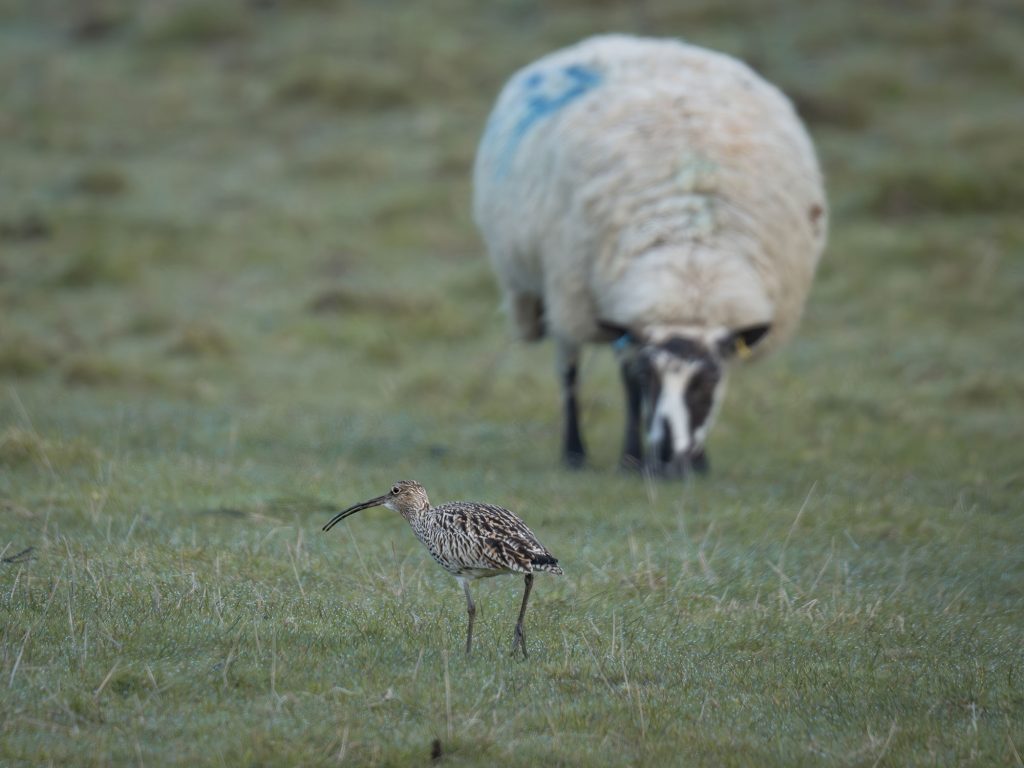
Six curlew breeding hotspots have been identified so far and to date we have been able to identify 36 curlew territories. In year one almost 40 acres of productive grassland was left unmown until August to help the breeding of the curlews. Another 30 acres of rich hay fields across various small farms was left uncut by supportive landowners.
Sam and the rest of the project staff have managed to get their message to over 10,000 people through their community engagement. However further education about the risk to Wales’ curlew is needed, as well as teaching people to help wildlife and livestock in general by keeping dogs on leads and keeping their distance to avoid disturbing breeding territories. Keeping to footpaths especially around farming land is vitally important so we can give the curlew, and other ground nesting birds, a chance.