The LEI is a £12 million funding scheme that has been made available by Ofgem to National Grid with the aim of reducing the visual impact of electricity infrastructure within protected landscapes. National Grid administers the scheme.
Who can apply?
Only National Parks (NP) and National Landscapes (NL) can apply directly to the scheme for funding and receive the funding but the scheme allows NPs and NLs to work with local landowners, communities and other conservation organisations to create an application. In this area it is the Clwydian Range and Dee Valley NL that is relevant protected landscape authority.
What are the eligibility criteria?
Proposed work must be within the NL and within about 3km of National Grid infrastructure. Work needs to be aimed at primarily reducing the visual impact of the infrastructure and enhancing the landscape quality.
What sort of work can be done?
A large variety of work could be undertaken providing it can be shown to meet the above criteria. Examples are planting trees, hedge restoration, hay meadow creation, traditional boundary restoration, pond creation, moorland management and public access improvements. Examples of other work that may be considered by National Grid includes more specialised work to enhance biodiversity, sustainable social and economic development, improving public access and vocational and practical training that can benefit the local community.
What payments could landowners receive?
Payments can be up to 75% of the total cost.
How do I apply?
If you are interested speak to the Clwydian Range and Dee Valley National Landscape team (contact details below). A site visit will generally be needed to discuss ideas of what work could be included in detail.
A short summary of where we are now:
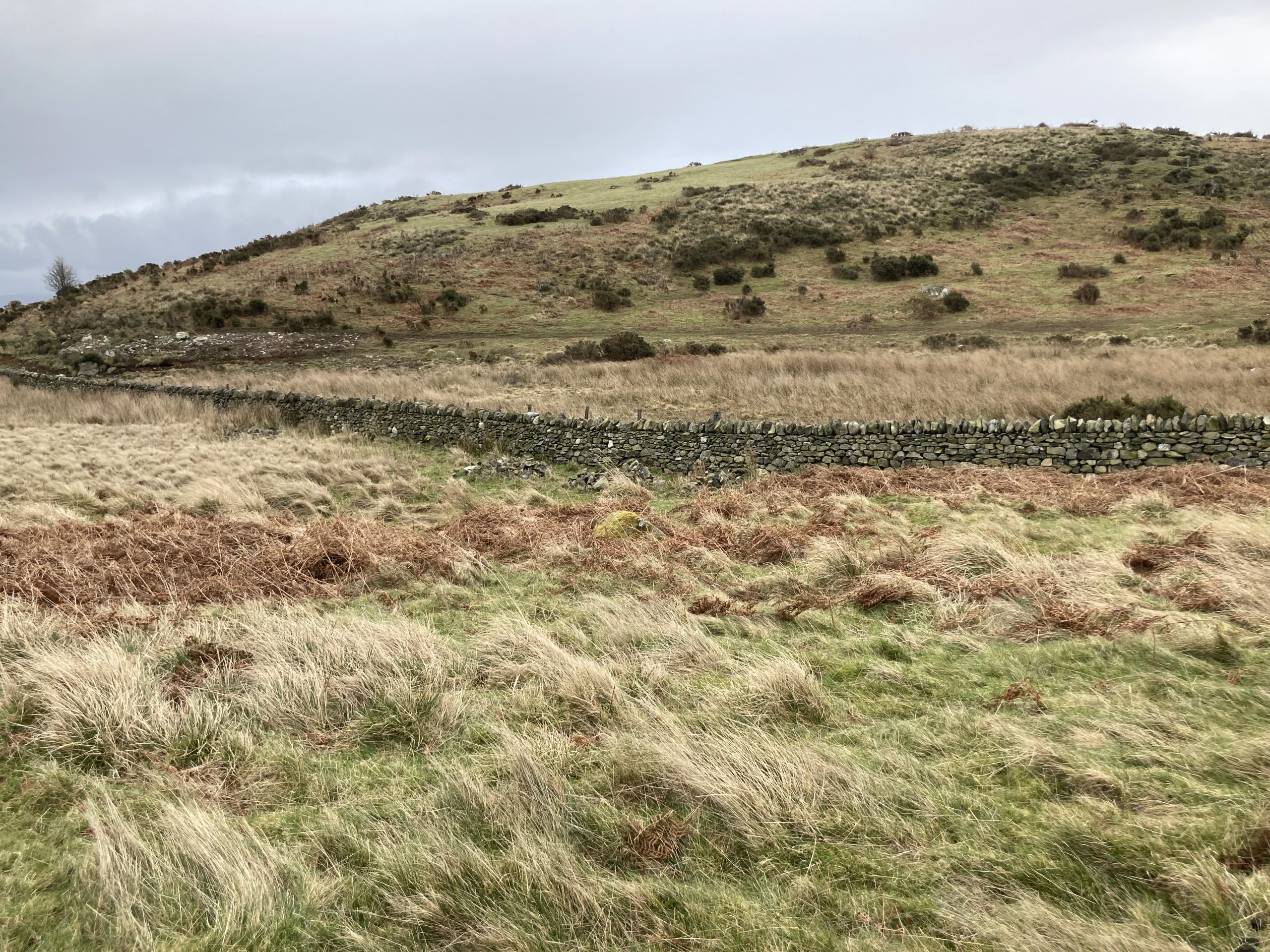
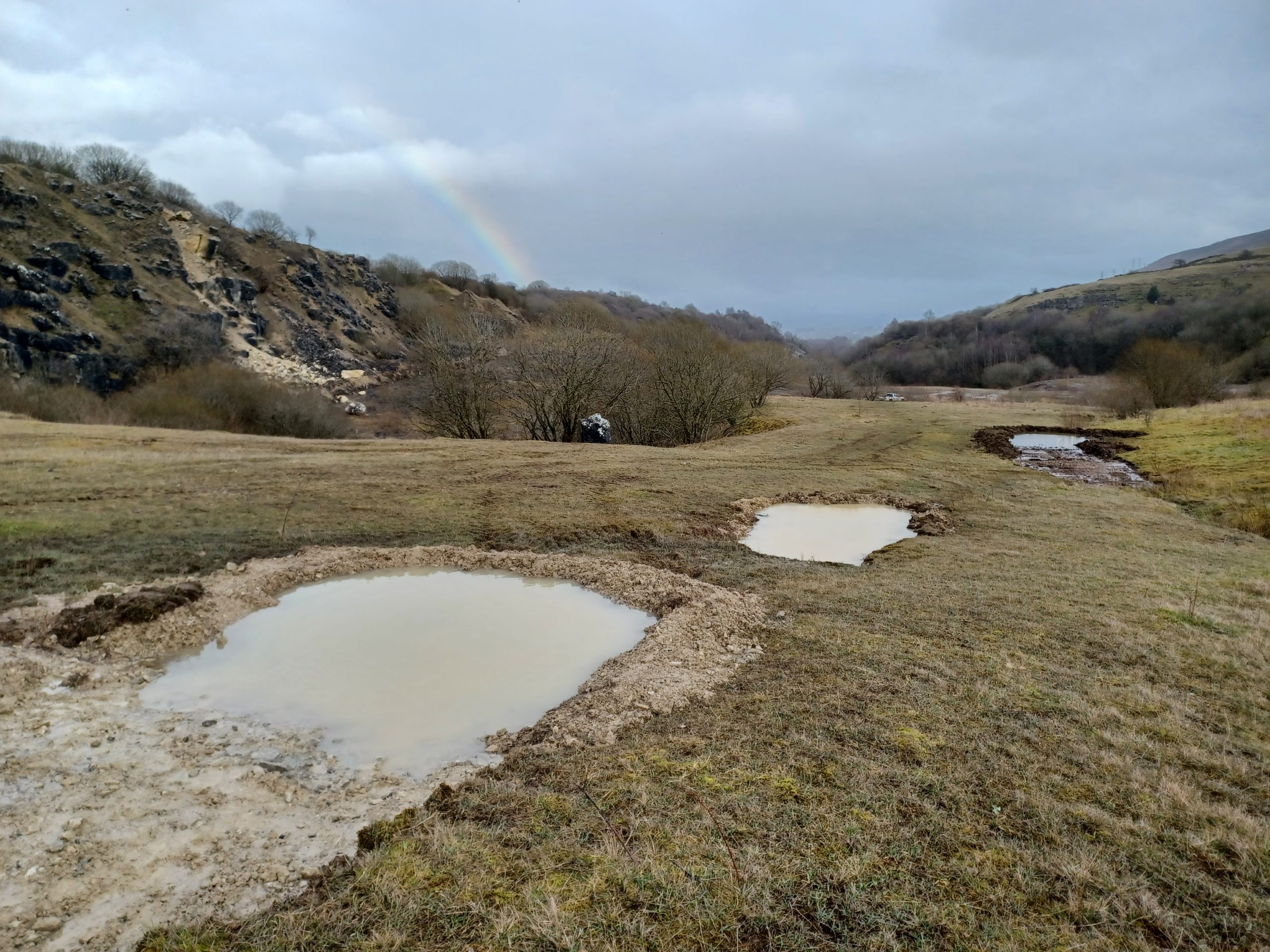
The first LEI project in the Clwydian Range and Dee Valley NL began in March 2018 in the Bryneglwys and Tremeirchion areas. We now have 7 projects (including all approved projects and completed projects) working in landscapes in Denbighshire, Flintshire and Wrexham with an overall combined total value of over a million pounds of funding. These projects have enabled us to work across a wide range of years and habitats to improve the visual landscape, as well as helping to increase biodiversity, through hedge restoration and planting, the reviving of old ponds, rebuilding drystone walls, wildflower meadow improvements, scrub removal and woodland planting.
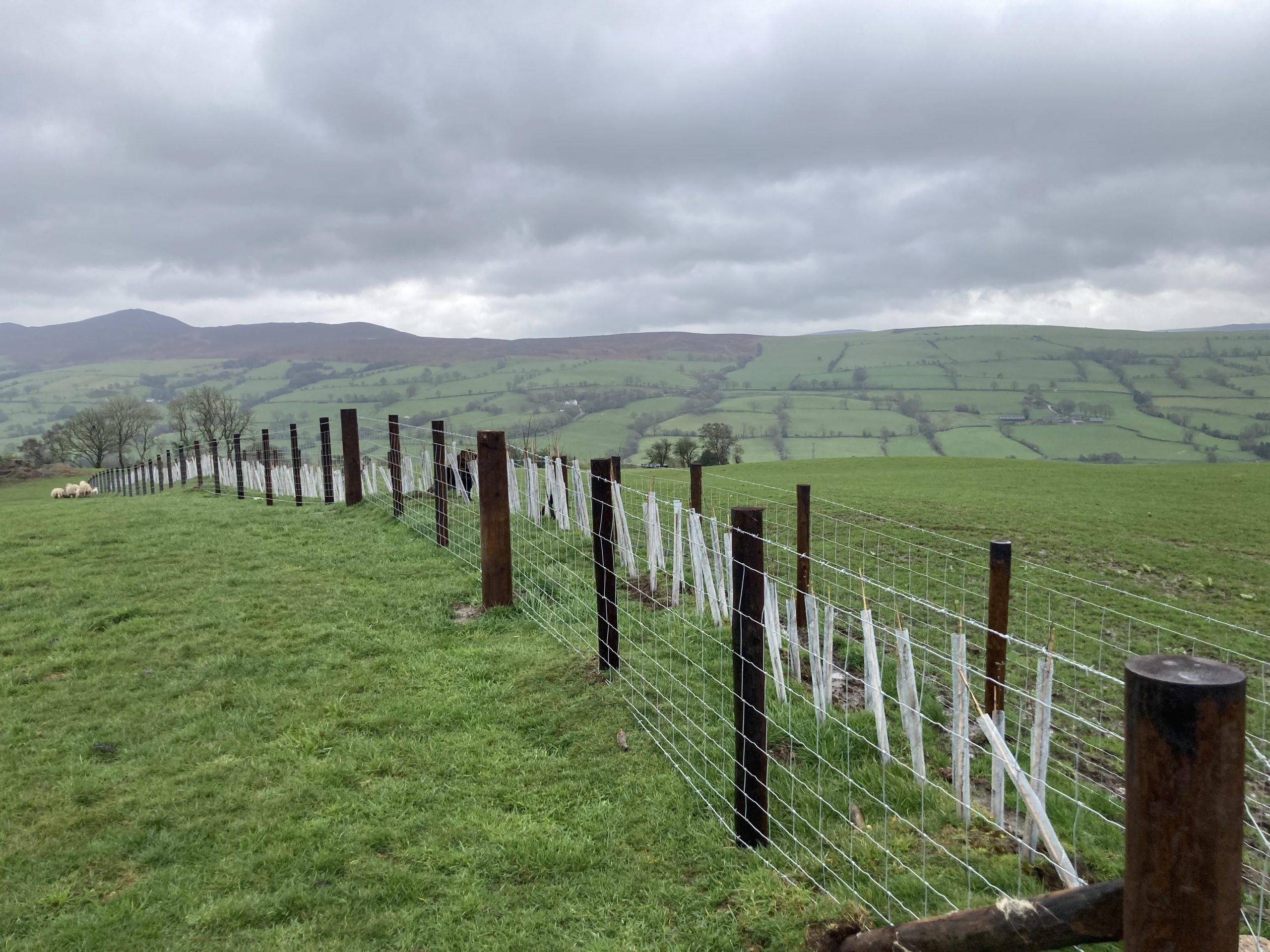
Much of the project work is carried out on private land and has built up cumulatively across the years to have an increasingly positive effect in the landscape, both now and for future generations. The LEI scheme has a strong focus on working alongside landowners, developing individual plans, considering landowner aspirations, as well as delivering key landscape and biodiversity aims. Work within the LEI scheme is predominantly delivered by the landowners themselves, promoting ownership of the success/failure of the work, hopefully making it more sustainable. It is also a scheme that supports best practice, for example offering rural skills training opportunities to landowners and giving an opportunity to introduce conservation principles such as only planting trees that have been grown from UK seed in the UK.
In addition to working with landowners, the LEI scheme works closely with local communities to engage a variety of people in different ways both on countryside sites within the National Landscape portfolio and within the landscapes on their doorsteps. Activities have included hedge laying, tree planting and drystone walling. The LEI fund has also been successful in furthering the aspirations of other organisations within the shared landscape, such as the Wildlife Trusts and Natural Resources Wales, and helped foster strong partnerships and combined aims.
Some stats:
- Over 24km of hedge restoration
- Over 3000 trees planted
- Over 1km of drystone wall repaired
- 19 ponds revived
- Around 7ha of invasive scrub removal
- Over 14 hectares of wildflower meadow improvements
- Nearly 3km of access improvements