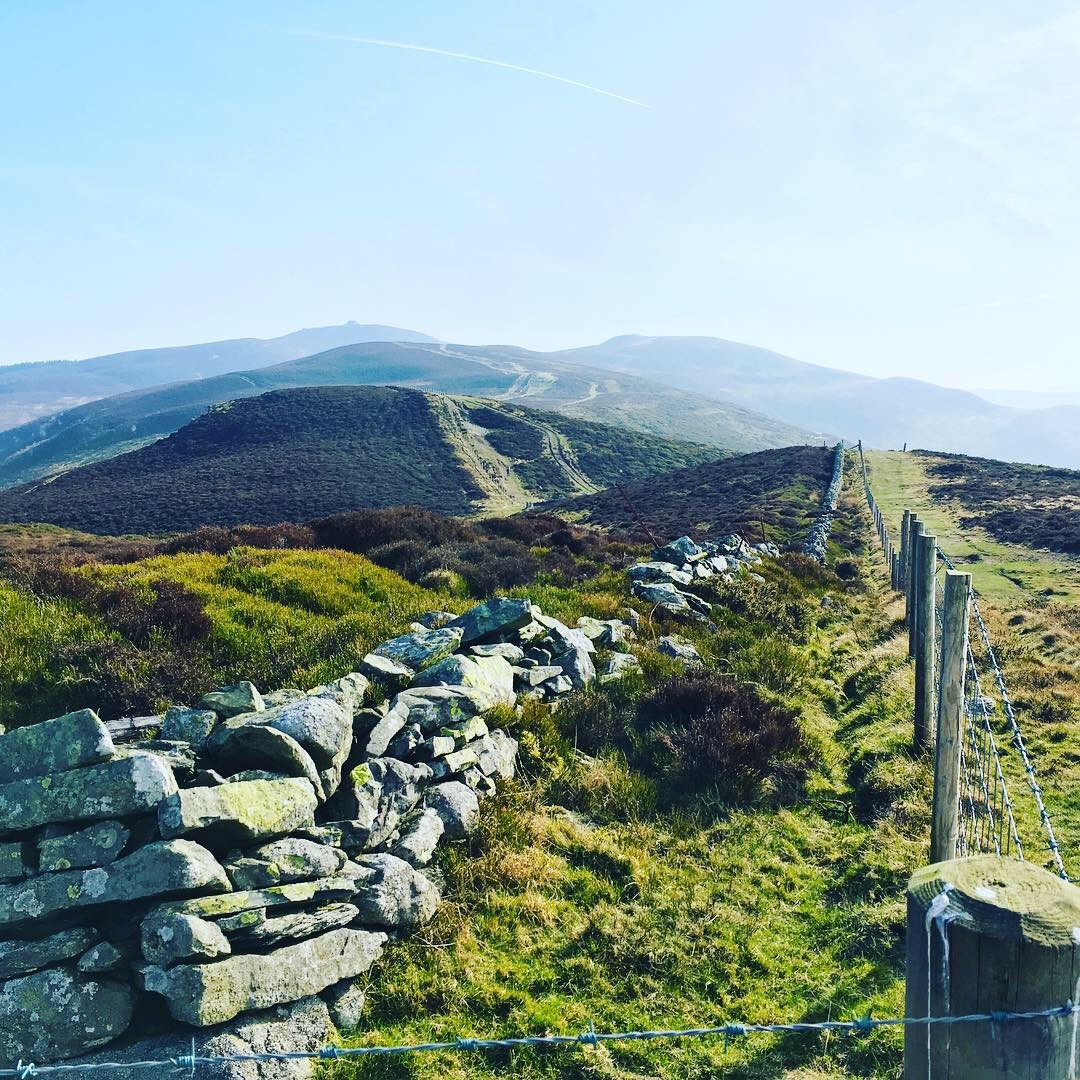
The Clwydian Range and Dee Valley National Landscape is 390 square kilometres of some of the UK’s most wonderful landscapes.
From the coastal slopes of Prestatyn Hillside in the North to the remote Berwyn Mountains and the Pontcysyllte Aqueduct and Canal in the South, the Clwydian Range and Dee Valley National Landscape is a landscape of contrasts waiting to be discovered. The Clwydian Range is a remarkable chain of heather-clad peaks crowned with Iron Age hillforts. To the South, the rolling Llandegla moors give way to the expansive Ruabon Mountain and the spectacular limestone cliffs of the Eglwyseg escarpment. Here the Dee Valley is etched with reminders of a medieval landscape, with the picturesque remains of Castell Dinas Bran, Eliseg’s Pillar and Valle Crucis Abbey and the mighty Chirk Castle which guards the entrance to the valley to the East. The Pontcysyllte Aqueduct and Canal, now a World Heritage Site, is a monument to the National Landscape’s industrial past.
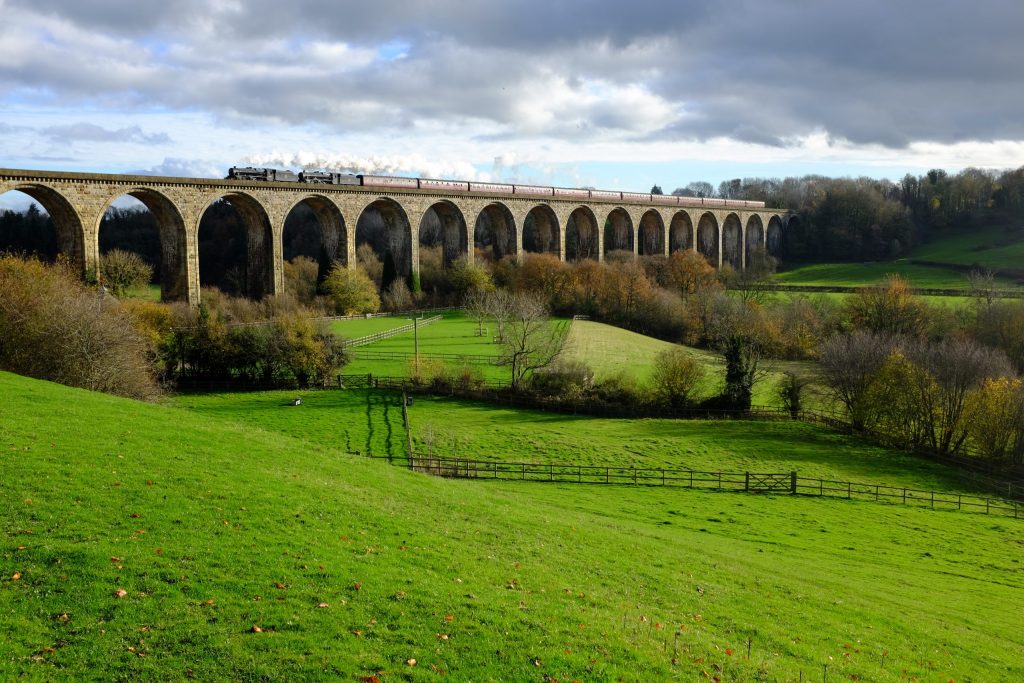
The National Landscape falls within parts of the counties of Denbighshire, Flintshire and Wrexham, within easy reach for all parts of the UK, and is uniquely placed for you to discover a rich diversity of landscape, history and culture.
The Clwydian Range was designated by the Secretary of State for Wales in July 1985 under the National Parks and Access to Countryside Act 1949.
In November 2011 the Welsh Government Environment Minister confirmed a southerly extension to include much of the Dee Valley from Corwen to Newbridge.
What is a National Landscape?
A National Landscape used to be called an Area of Outstanding Natural Beauty (AONB) until a name change in 2023.
It is a designated part of our landscape whose distinctive character, beauty, and cultural heritage are so precious that it is safeguarded in the national interest. Safeguarding is the protection and enhancement of the natural beauty, communities and businesses, and the unique architecture and archaeology of the area.
There are 46 Designated National Landscapes in the UK, and the Clwydian Range and Dee Valley is one of only 5 in Wales.
What makes the Clwydian Range and Dee Valley National Landscape special?
This fantastic gateway to North Wales is a place that demands to be explored by whatever means you can. Perhaps it is the tranquillity of the remote and untouched wilderness, or the astounding views that can be seen from the many summits. Maybe it’s the ancient history, the remains of which can be glimpsed in the archaeology, ruins and architecture throughout the National Landscape. Or is it the wealth of wildlife that you can find in natural habitats that draws people to live, work and visit? Whatever it is, we have a duty to provide access while conserving our diverse geography, flora and fauna – and our villages – for generations to enjoy.
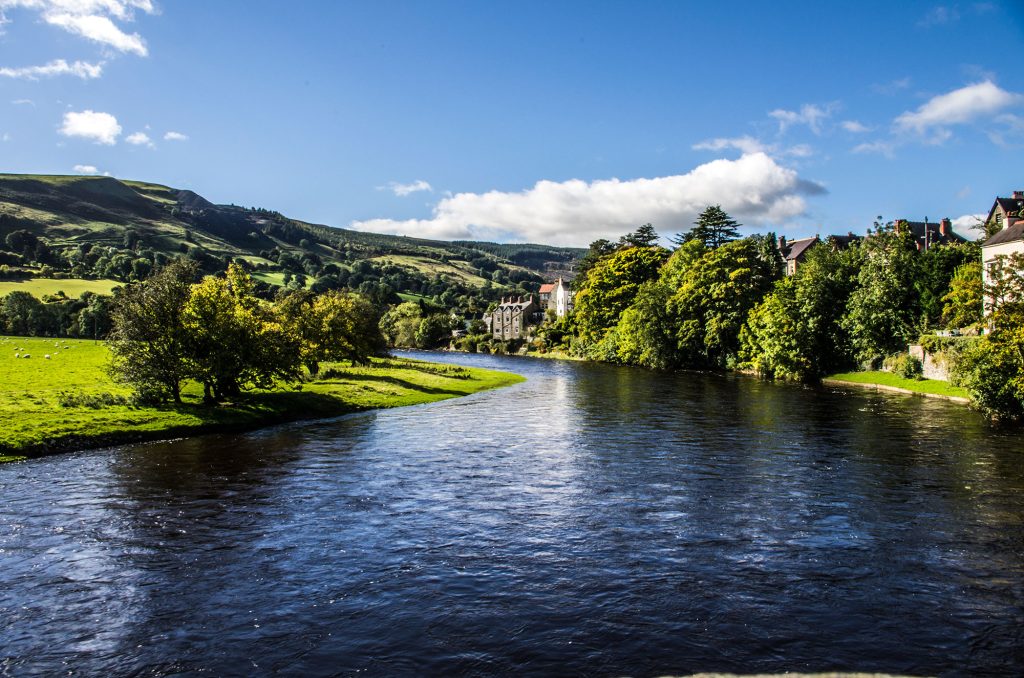
The unique character of the landscape within the Clwydian Range and Dee Valley National Landscape is distinct, recognisable and with elements that are both natural and human. Landscapes differ because geology, biodiversity, visual appearance, archaeology, history and culture vary from place to place. The interaction between people and their environment makes the National Landscape a living, working landscape as well as a place of recreation.
Find out more: